
Volcanic Wines
Hungary was literally forged in fire. Millions of years ago, the Pannonian Sea receded and left behind extinct volcanoes whose lava and ash cooled into basalt, rhyolite tuff, andesite, dacite and zeolite. Although volcanic soils cover just one percent of the earth’s surface, they are abundant here, underpinning many of the country’s top vineyards. These well‑drained, mineral‑rich soils force vines to dig deep, resulting in wines with vivid acidity and a distinctive flavour pulse – think wet stones, salt, steel, flint and smoke.
Each volcanic rock type leaves its imprint. Rhyolite tuff, common in Tokaj and Eger, produces elegant wines with racy acidity and chalky minerality. Dacite delivers sleek, aromatic wines with crisp texture. Andesite, found in Eger and Mátra, yields structured wines that balance ripe fruit with earthy minerality. Basalt, the bedrock of Somló and Badacsony, creates steely, smoky wines with salty undertones and electric tension. Zeolite, Tokaj’s hallmark, adds fine chalky texture and crystalline acidity. Topsoil depth matters too: shallow soils over volcanic rock give taut, dense wines, while deeper clay produces rounder, fuller styles.
This collection spans Hungary’s volcanic arc: taut Furmints and Hárslevelűs from Tokaj, spicy Egri Bikavérs from rhyolite tuff, saline Juhfark from Somló’s basalt, and unique Kéknyelű from Badacsony’s witness mountains. Dive into wines that deliver grand‑cru terroir without the price tag, and discover why Hungary is fast becoming the world’s epicentre of volcanic wine.
Explore Other Collections
From the misty hills of Tokaj to the sun-scorched slopes of VillanyOur Journal
Stories, people and places worth knowing.
How Bull's Blood Wine Went From Soviet-Era Plonk to Decanter Best in Show
Bull's Blood has a reputation problem – not because the wine is inherently bad, but because most people have only ever tried the entry-level version. The Superior and ...
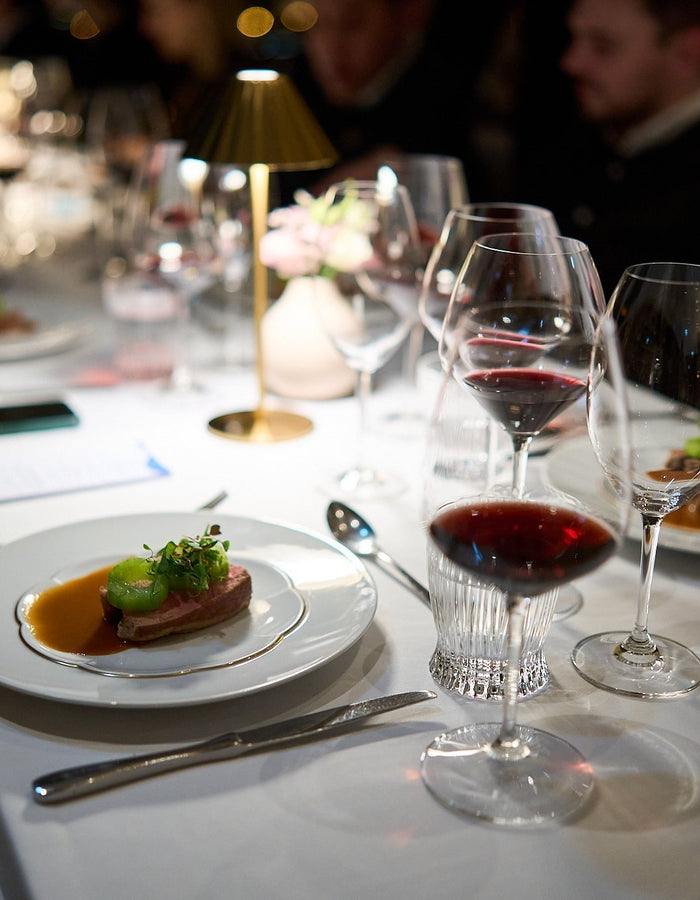
What to Bring to Your Next Themed Wine Night (That Nobody Else Will Have)
Four Hungarian bottles built for Singapore wine themed nights – from a volcanic wine to the Merlot that finished ahead of Masseto and La Fleur-Pétrus in a blind tasting.
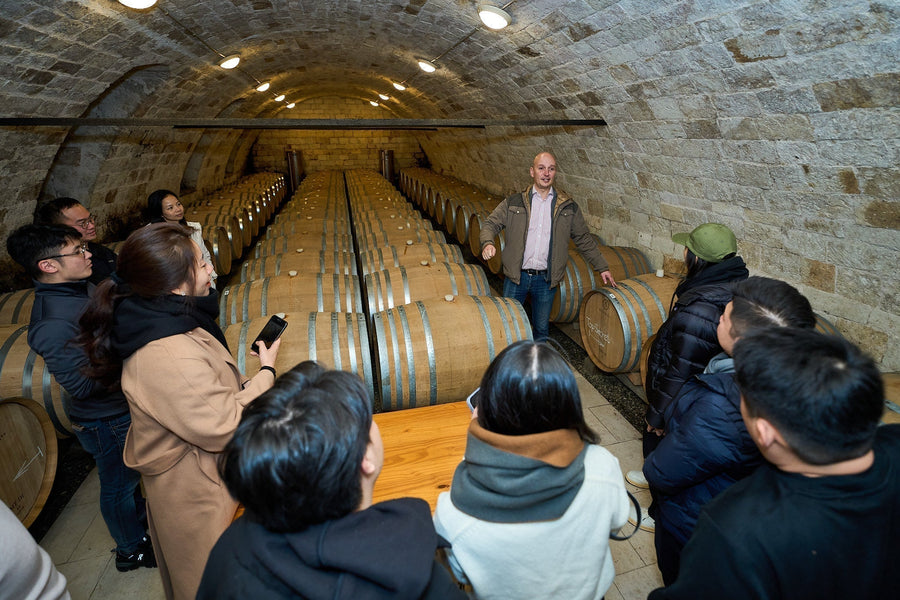
The Grape Behind Tokaj – and Why It's Even Better Dry
Furmint is the grape behind Tokaj's legendary sweet wines. But winemakers in Hungary have been making serio...
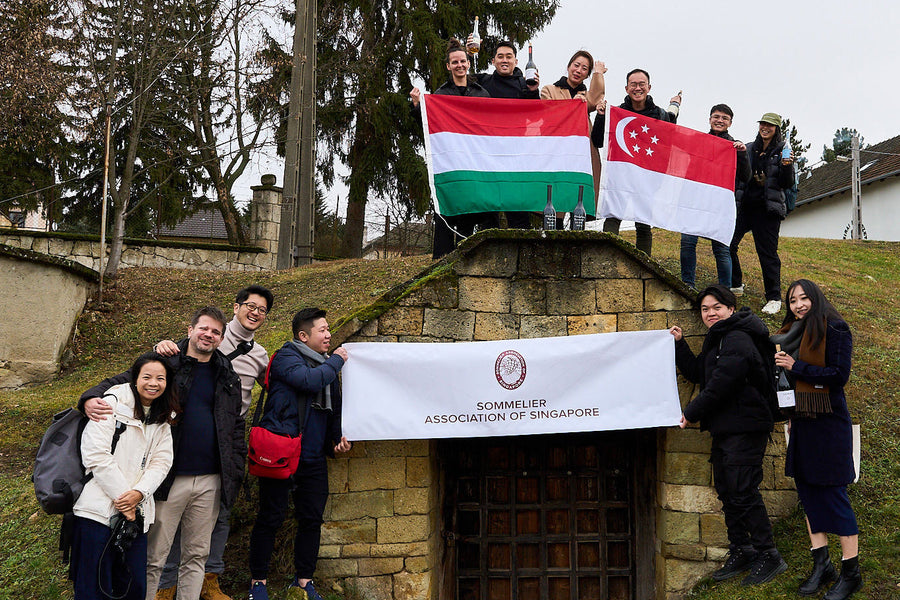
3 Things I need to Unlearn about Wine
Travelling through Hungary with Singapore sommeliers made me rethink a few things I thought I understood ab...